
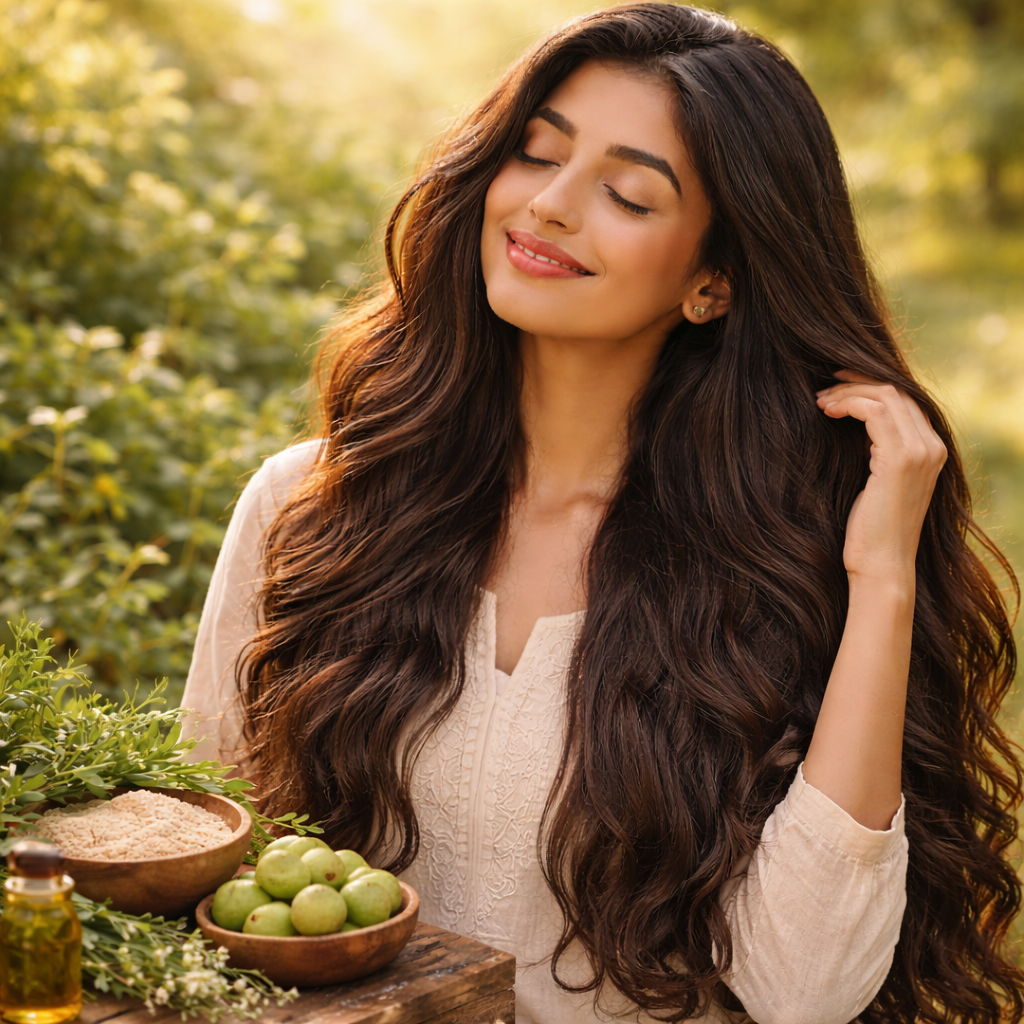
Transform your hair care routine with our effortless, plant-based cleansing system.
Experience calmer scalp, cleaner hair and a simpler routine
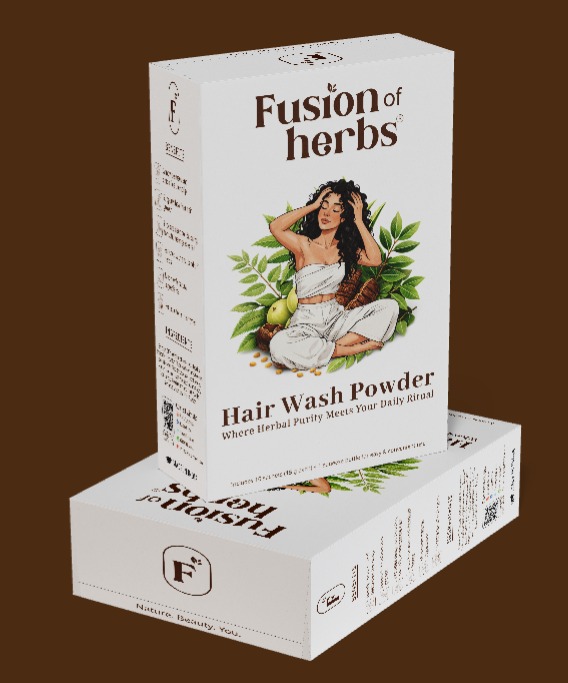
Fusion of Herbs Hair Wash Powder
A plant-powered hair cleansing system inspired by Ayurveda and refined for modern life. Gently cleanses while nourishing your scalp—free from harsh chemicals and unnecessary fillers.
Choosing Fusion of Herbs is the right step for healthier hair.
One time Purchase
₹699
Subscribe for 1 year
₹559
Save 20% Delivered monthly
Powerful Herbs, Proven Results
Amla
Reetha
Shikakai
Neem
Methi
Curry leaves
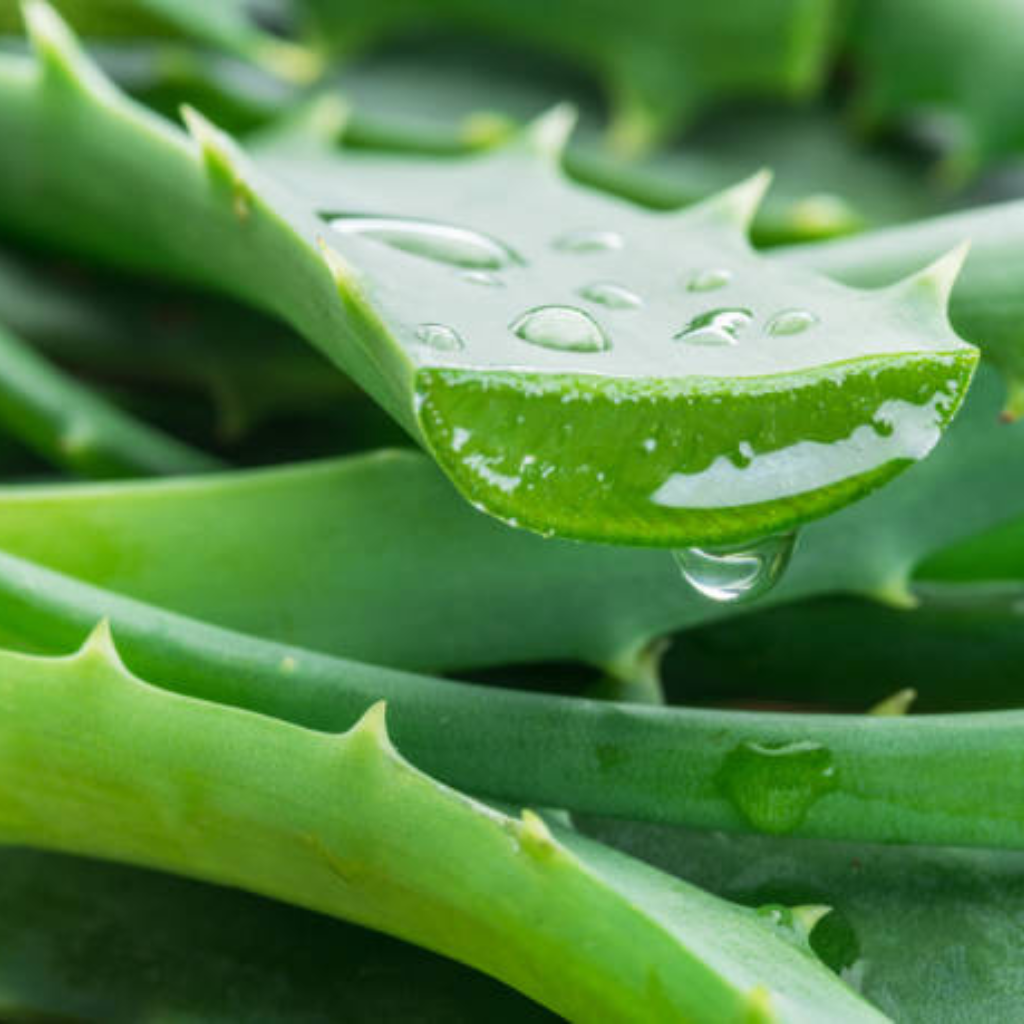
Aloevera
Powerful Herbs, Proven Results
Amla
Reetha
Shikakai
Neem
Methi
Curry leaves
Aloevera
Click on any ingredient to learn about its traditional use and modern benefits
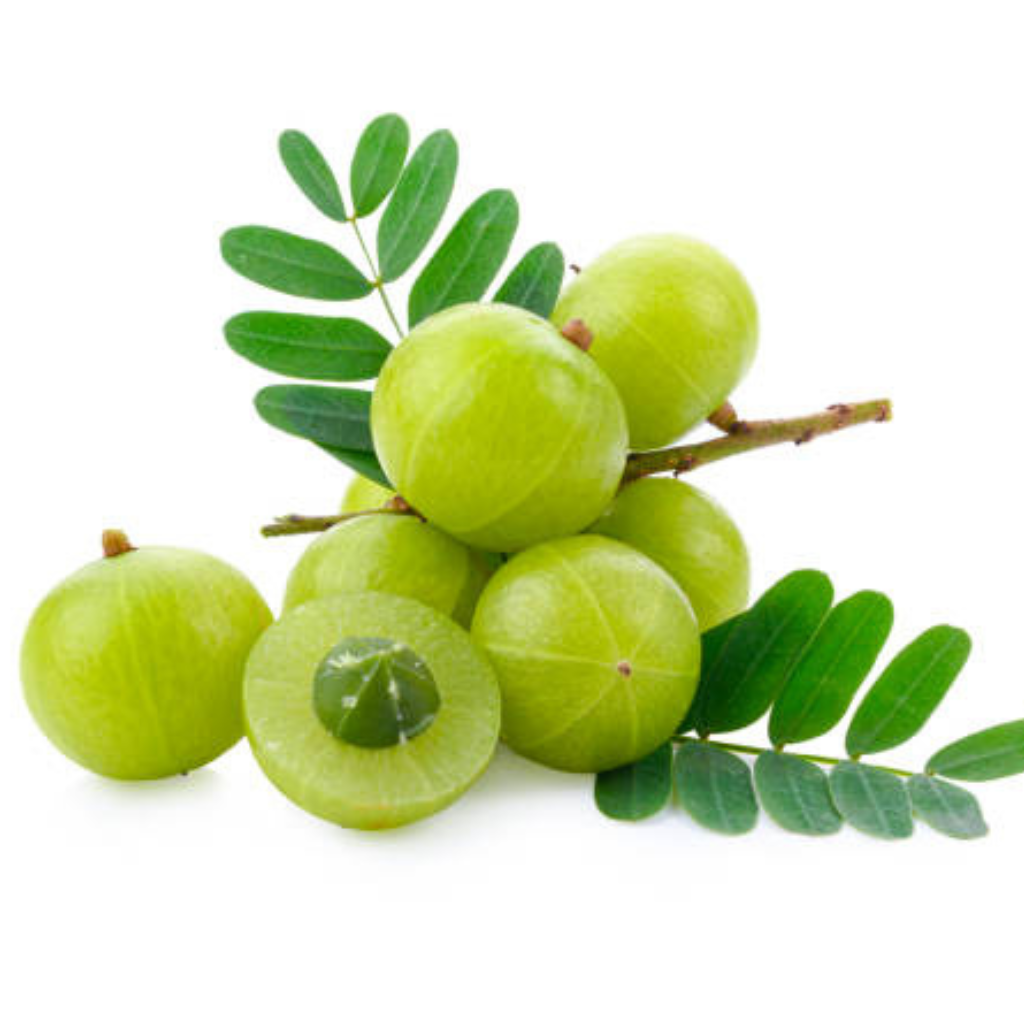
Amla (Indian Gooseberry)
Traditional Use
In Ayurvedic tradition, Amla is revered as Dhatri, meaning “The Nurse,” signifying its all-encompassing healing nature. For centuries, it has been the primary remedy for premature graying and hair thinning. It was traditionally prepared by sun-drying the fruit and soaking it in iron vessels to create a dark, nutrient-rich infusion or by boiling it in coconut oil to create a potent “hair elixir.” It is a cooling herb, used to pacify excess Pitta (heat) in the scalp, which is believed to be the root cause of hair fall and inflammation.
Modern Science
Scientific analysis confirms that Amla is one of the densest natural sources of Vitamin C and polyphenols. These antioxidants neutralize free radicals that cause oxidative stress to hair follicles. Research suggests that Amla extract can inhibit the 5-alpha reductase enzyme, which is responsible for hormonal hair loss (androgenetic alopecia). Furthermore, its high tannin content helps the hair protein (keratin) bind more effectively, increasing the diameter of the hair shaft and providing a natural “thickening” effect.
Benefits
- Pigment Preservation: Regularly using Amla helps maintain natural hair color and delays the onset of grays.
- Follicle Strengthening: Its high mineral content (calcium and phosphorus) nourishes the roots directly.
- Scalp Health: It acts as a natural conditioner that clears product buildup without stripping natural oils.
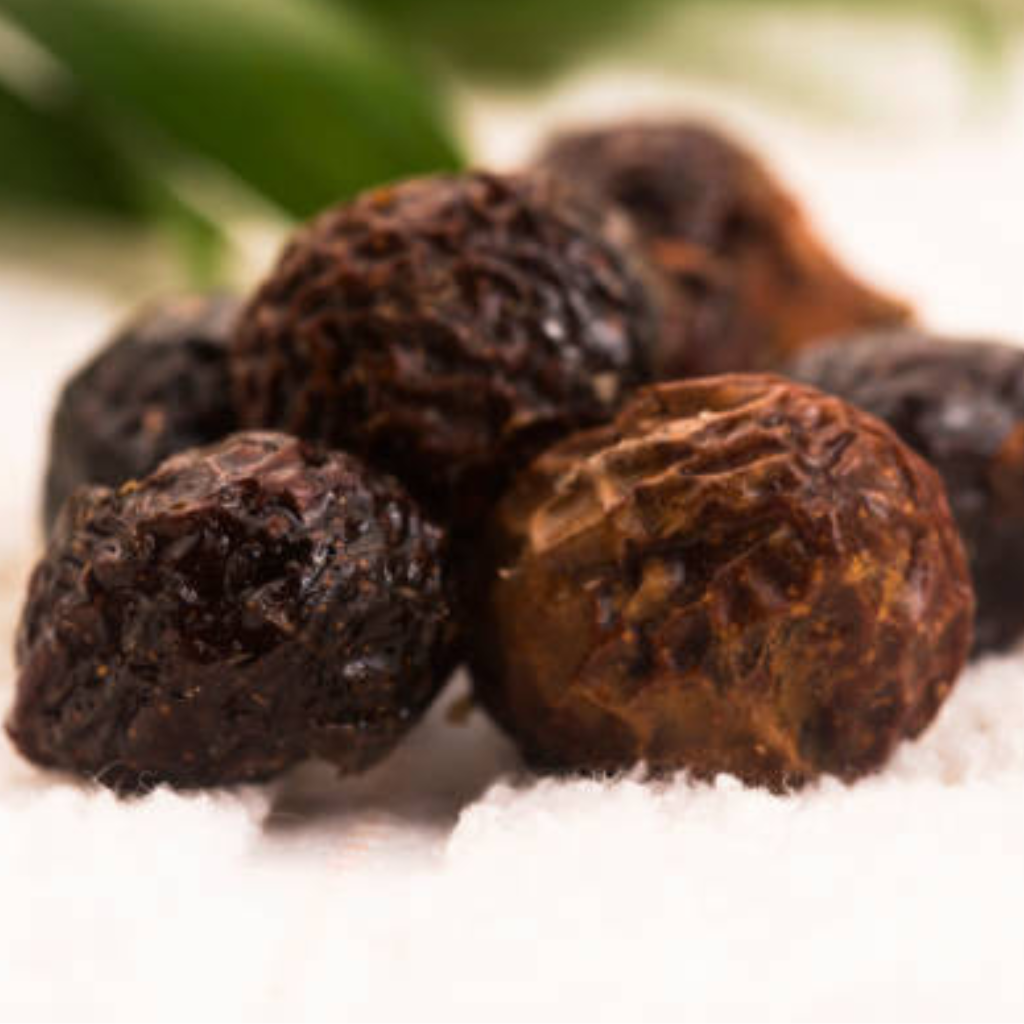
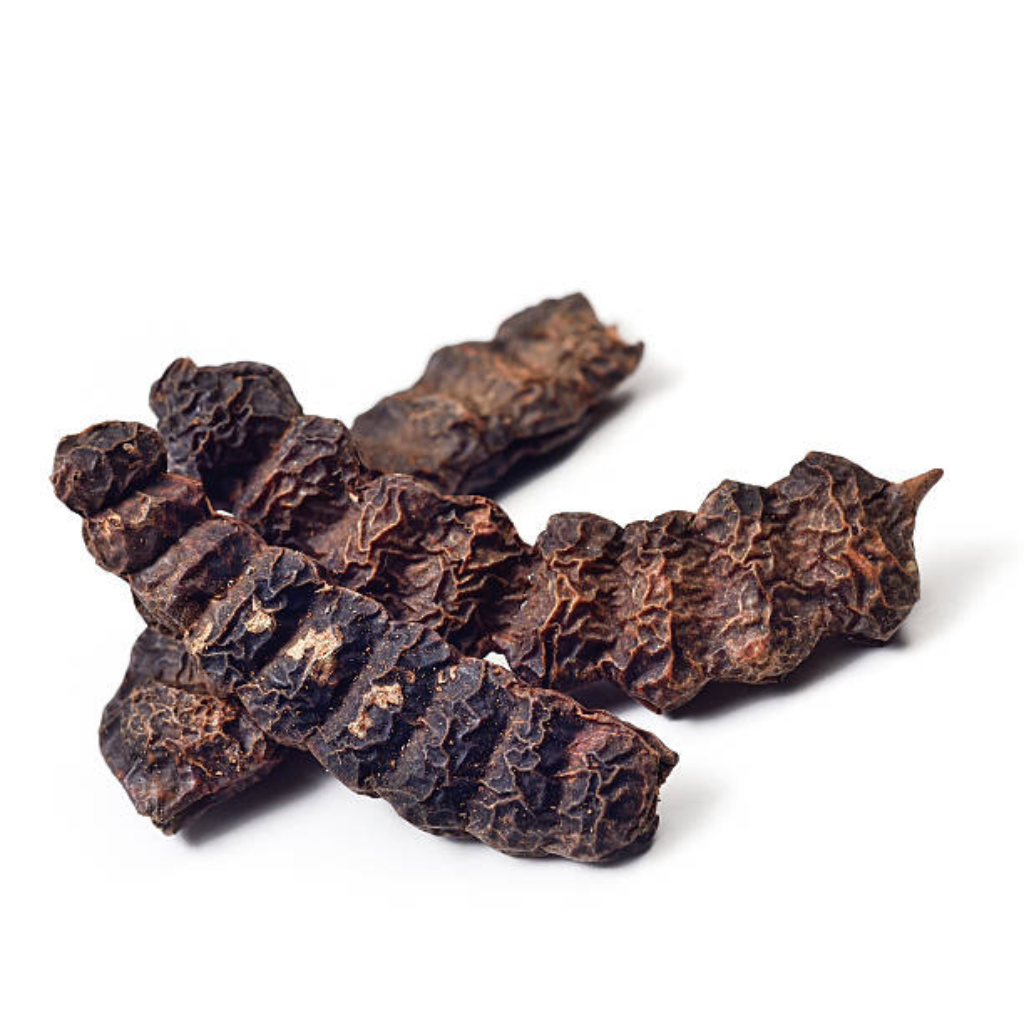
Reetha (Soapnut)
Traditional Use
Reetha has been the “natural shampoo” of the East for millennia. Before the advent of synthetic surfactants, Indian households used Reetha berries soaked in water to create a gentle, frothy lather. It was specifically used to wash hair before important ceremonies to ensure a high-gloss finish. Unlike modern soaps, it was known for being “eye-safe” and biodegradable, making it a staple in rural hair care rituals for both children and adults.
Modern Science
The secret to Reetha’s efficacy lies in Saponins, natural foaming agents found in the fruit’s pericarp. Modern science classifies these as non-ionic surfactants, which are significantly gentler than the sulfates (SLS/SLES) found in commercial shampoos. Saponins have antimicrobial and antifungal properties that effectively target Malassezia, the fungus responsible for dandruff. Because it has a naturally low pH, it helps keep the hair cuticle closed and smooth.
Benefits
- Gentle Cleansing: Removes dirt and excess oil while maintaining the scalp’s natural pH balance.
- Natural Luster: Leaves hair with a silky, reflective shine without the use of silicones.
- Insecticidal Properties: Historically and scientifically recognized as an effective treatment for head lice.
Shikakai (Fruit for the Hair)
Traditional Use
Often referred to as “Fruit for the Hair,” Shikakai is a climbing shrub whose pods have been used as a hair cleanser and conditioner for ages. Traditionally, the pods were ground into a fine powder and mixed into a paste with water. It was prized for its ability to detangle unruly hair and was often used in combination with Reetha to balance the cleansing process. It was the “all-in-one” solution for families who didn’t want to use separate oils or conditioners.
Modern Science
Shikakai is rich in saponins, vitamins (A, C, D, E, K), and antioxidants. Its low pH makes it an ideal cleanser that doesn’t swell the hair shaft, which prevents frizz and breakage. Modern studies highlight its “astringent” properties, which help in shrinking the pores of the scalp to reduce excess sebum production. It also contains high levels of micronutrients that feed the scalp’s microbiome, promoting a healthy environment for hair growth.
Benefits
- Detangling: Acts as a natural detangler, making hair easier to comb and reducing breakage.
- Slows Graying: The antioxidant profile helps protect the melanocytes in hair follicles.
- Prevents Split Ends: By keeping the cuticle flat and sealed, it prevents the ends from fraying.
Neem (Indian Lilac)
Traditional Use
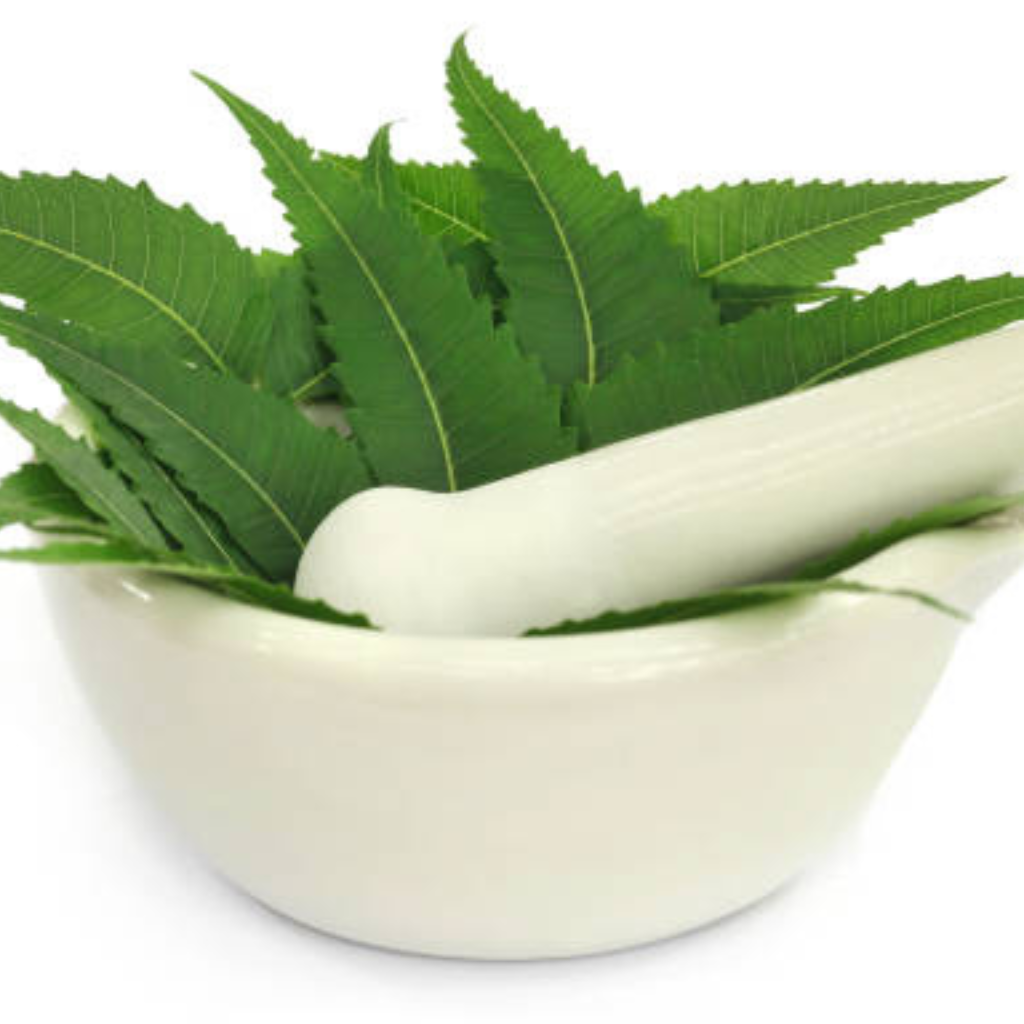
Neem is the “Village Pharmacy” of India. Traditionally, Neem leaves were boiled in water to create a medicinal rinse or infused in oils to treat scalp infections. It was the go-to remedy for “unclean” scalps, boils, and persistent itching. It was used as a protective shield for the hair, especially during monsoon seasons when fungal infections are most common.
Modern Science
Modern pharmacology identifies Nimbidin and Azadirachtin as the active compounds in Neem. These are powerful anti-inflammatory, antiseptic, and antifungal agents. Science confirms that Neem can effectively suppress the growth of dandruff-causing fungi and soothe the scalp during inflammatory flare-ups like psoriasis or seborrheic dermatitis. It also helps in clearing clogged pores (folliculitis), allowing for unobstructed hair growth.
Benefits
- Anti-Dandruff Powerhouse: One of the most effective natural treatments for chronic flaking.
- Growth Stimulation: Clears the “path” for new hair by removing debris and bacteria from the follicle.
- Oil Regulation: Helps balance overactive sebaceous glands on the scalp
Methi Dana (Fenugreek Seeds)
Traditional Use
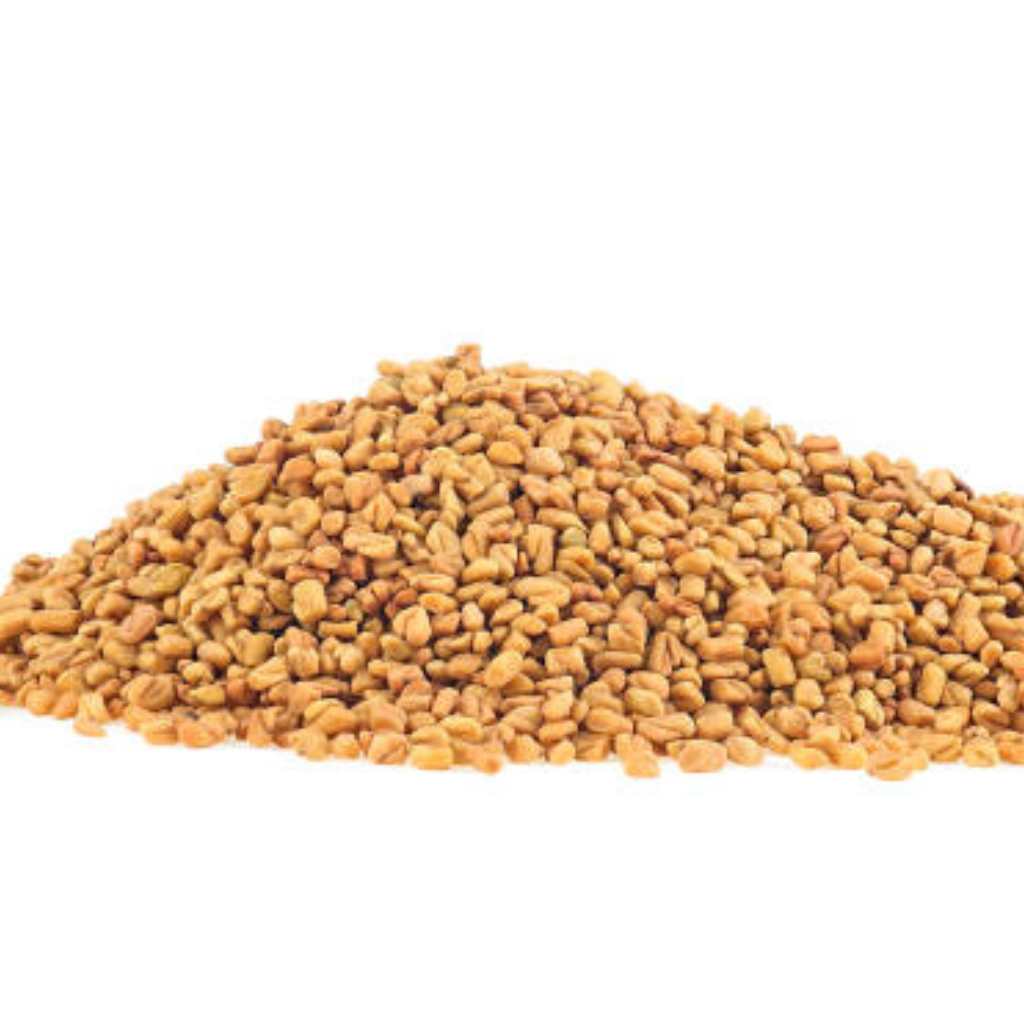
Methi has a dual history as both a culinary spice and a medicinal paste. In ancient hair rituals, Methi seeds were soaked overnight and ground into a thick, mucilaginous paste. This “mask” was applied to the scalp to treat extreme dryness, dandruff, and “thinning patches.” It was especially popular among women after childbirth to help regain hair volume and strength.
Modern Science
Methi seeds are a rich reservoir of Lecithin, a natural emollient that deeply hydrates the hair and strengthens the core of the strand. They also contain high levels of folic acid, Vitamin A, K, and C. Science identifies the presence of “steroid precursors” (diosgenin) in Methi, which may assist in hair regrowth by stimulating blood flow to the follicles. The high protein and nicotinic acid content are known to be effective against hair fall and thinning.
Benefits
- Intense Hydration: The mucilage provides a slippery film that coats and protects dry hair.
- Dandruff Control: Its potent antifungal and antibacterial properties clear up flaky scalps.
- Volume Boost: Strengthens the hair from the roots, giving it a more “lifted” and voluminous appearance.
Curry Leaves
Traditional Use
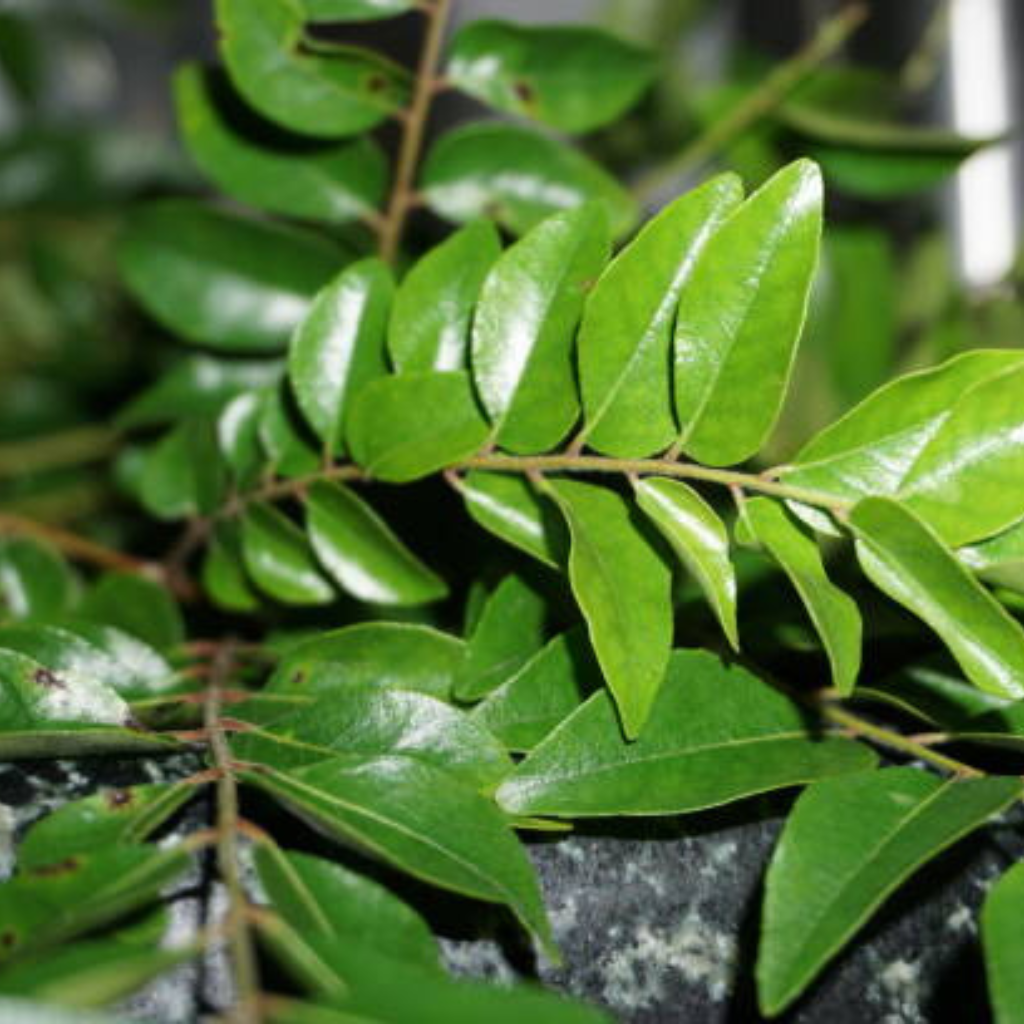
Beyond the kitchen, Curry leaves (Kadi Patta) have a long-standing reputation for maintaining “jet black” hair. In Southern India, it is a common practice to simmer fresh curry leaves in coconut oil until they crackle, creating a dark, fragrant oil used for daily head massages. It was believed that the regular use of this oil kept the hair thick, dark, and rooted firmly in the scalp well into old age.
Modern Science
Curry leaves are exceptionally high in Beta-Carotene and Proteins, both of which are essential for hair growth and preventing thinning. They are also a rich source of amino acids which help in maintaining hair strength. The leaves contain carbazole alkaloids, which have antioxidant and antimicrobial properties. Modern research suggests that the specific nutrient profile of Curry leaves helps in restoring the natural melanin in the hair follicles, thus treating premature graying at a cellular level.
Benefits
- Graying Defense: Rich in antioxidants that preserve the hair’s natural pigment.
- Root Anchoring: Strengthens the “grip” of the follicle, significantly reducing daily shedding.
- Repair: The amino acids help repair damaged hair fibers caused by pollution and heat.
Aloevera
Traditional Use
Known as Ghritkumari in Sanskrit, Aloe Vera has been used for over 4,000 years as a “soothing nectar.” In traditional hair care, the fresh gel was scraped directly from the leaf and applied to the scalp to treat sunburn, itching, and heat-induced hair loss. It was often used as a “carrier” for other herbs, helping their nutrients penetrate deeper into the skin.
Modern Science
Aloe Vera contains over 75 active constituents, including proteolytic enzymes which repair dead skin cells on the scalp. It is a powerful humectant, meaning it draws moisture from the air into the hair shaft. Its chemical structure is remarkably similar to Keratin, the primary protein of hair, allowing it to rejuvenate the hair with its own nutrients. It also contains salicylic acid, which acts as a gentle exfoliant for the scalp.
Benefits
- Scalp Healing: Instantly calms redness, itching, and inflammation.
- Elasticity: Increases the flexibility of hair strands, making them less likely to snap.
- Non-Greasy Conditioning: Provides moisture without weighing down fine hair or leaving an oily residue.
Frequently Asked Questions (FAQs)
1. What is Fusion of Herbs Hair Wash Powder?
Fusion of Herbs Hair Wash Powder is a plant-based cleanser made using time-tested Ayurvedic herbs. It gently cleanses the scalp and hair without harsh surfactants, synthetic fragrances, or chemicals, helping restore the scalp’s natural balance.
2. Is this product a shampoo?
It works like a shampoo, but it is not a chemical shampoo. Instead of artificial foaming agents, it uses the natural cleansing properties of herbs to clean effectively without stripping natural oils.
3. Will it clean my hair properly without much foam?
Yes. Foam is not a measure of cleanliness. This powder produces mild, natural lather that is enough to remove dirt, excess oil, and buildup while keeping the scalp calm and hydrated.
4. Is it suitable for oily scalp?
Yes. It helps balance excess oil production rather than aggressively removing oils. Regular use can train the scalp to become less oily over time.
5. Does it help with dandruff?
Yes. The herbal formulation supports scalp health, reduces flakes, and soothes irritation. For persistent dandruff, consistent use is recommended rather than switching products frequently.
6. Will it dry my hair?
No. Unlike harsh shampoos that strip natural oils, this wash cleans without overdrying, leaving hair soft, light, and naturally nourished.
7. Can I use it daily?
Yes. It is gentle enough for regular use. Many users find they need to wash less frequently as scalp balance improves.
8. Is it safe for chemically treated or colored hair?
Yes. Since it does not contain harsh chemicals, it is generally safe for colored or treated hair, though results may vary depending on hair condition.
9. Is it suitable for all hair types?
Yes. It is suitable for men and women, and works well for straight, wavy, and curly hair.
10. Will I need conditioner after using it?
Not always. Many users find their hair feels soft and manageable without conditioner. If your hair is very dry or long, you may use a light conditioner on the ends if needed.
11. How do I use the hair wash powder?
Empty the entire content of the sachet into the squeeze bottle provided. Add water upto half of the bottle, shake well and use the mix immediately by applying at every section of wet your hair. Then gently massage, and rinse thoroughly. No soaking or boiling required.
12. Does it contain any synthetic fragrance or color?
No. The fragrance and color come naturally from the herbs used in the formulation.
13. Is it safe for sensitive scalp?
Yes. It is designed for sensitive and reactive scalps, but we always recommend a patch test if you are trying it for the first time.
14. How long does it take to see results?
Some benefits like reduced itchiness and softer hair may be noticed early. Scalp balance and hair health improve gradually with consistent use.
15. Is Fusion of Herbs suitable for busy lifestyles?
Absolutely. It is designed for real people with real routines—simple to use, effective, and mindful of long-term hair health.